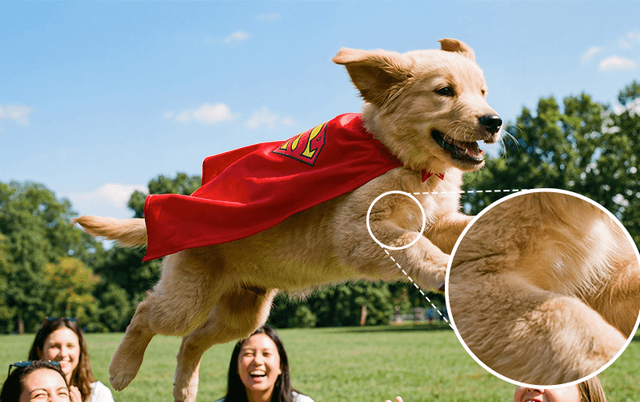
Warp Images with Puppet Warp in Photoshop
Puppet Warp is one of Photoshop’s most powerful manipulation tools. By placing pins on a mesh, you can move, rotate, and pose parts of your image with precision. This guide walks through smart object setup, mesh controls, pin management, rotation options, and non‑destructive editing.

Step-by-step instructions
Prepare your layer for non‑destructive editing
Select the target layer, right‑click → Convert to Smart Object.
Ensure your subject is isolated (masked) for best results.
Enter Puppet Warp and add pins
Go to Edit → Puppet Warp to create a mesh over the layer.
Click on key joints/areas (shoulders, elbows, knees, etc.) to add pins.
Click‑drag a pin to reposition that part of the image.
Adjust mesh behavior and coverage
Set Mode to Normal for balanced elasticity (try Distort for more or Rigid for less).
Set Density to Fewer/Normal/More Points (More increases precision).
Use Expansion to include/exclude nearby protrusions (increase to absorb stray parts, decrease to isolate).
Toggle Show Mesh off when it distracts.
Manage and organize pins
Add extra pins to lock areas you don’t want to move.
Change pin stacking with the Pin Depth icons (Bring Forward/Send Backward) to control overlap.
Delete a pin by: right‑click → Delete Pin, or press Backspace/Delete, or Alt/Option‑click the pin.
Control rotation for natural movement
In the Options bar, set Rotate to Auto for automatic rotation while dragging, or Fixed to prevent rotation.
With Rotate = Fixed, hold Alt/Option and drag the blue circular overlay to manually rotate a pin.
Adjust surrounding pins to avoid unnatural bends and maintain realism.
Commit and re‑edit the warp
Click the checkmark in the Options bar to apply the warp.
Toggle the Puppet Warp effect visibility in the Layers panel to compare before/after.
Double‑click the Puppet Warp label to re‑open pins; use the Reset Pins icon to clear if needed.