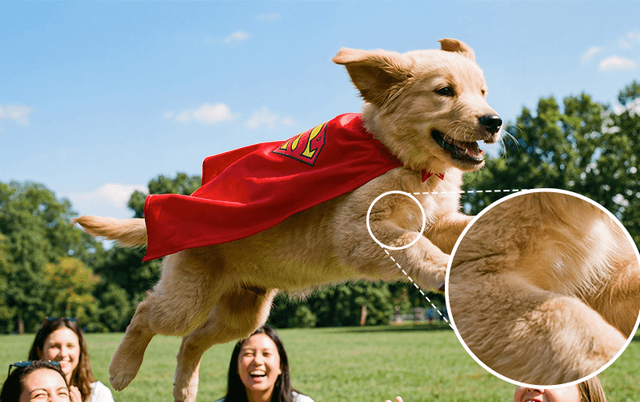
Sharpen Images in Photoshop: 5 Proven Methods
Sharpening isn’t one-size-fits-all. Depending on your image, you may want global sharpening, selective sharpening, or methods that reduce halos and noise. This tutorial walks through five reliable approaches and a key pro tip to limit sharpening to midtones for cleaner results.

Step-by-step instructions
Set up a non-destructive workflow
Duplicate your image layer (Ctrl/Cmd+J) to preserve the original.
Right-click the duplicate and choose Convert to Smart Object (for filter-based methods).
Zoom to 100% (View → 100%) to judge sharpening accurately.
Method 1: Unsharp Mask (classic, flexible)
With the Smart Object selected, go to Filter → Sharpen → Unsharp Mask.
Start with Amount ≈ 130%, Radius ≈ 0.8 px, Threshold = 0.
Toggle Preview to compare before/after; fine-tune Amount and Radius to avoid halos.
Because it’s a Smart Filter, double-click Unsharp Mask later to adjust.
Method 2: Camera Raw Filter (sharpening + masking + clarity)
Go to Filter → Camera Raw Filter.
Open the Detail panel; set Amount moderately, Radius around 1.0, and adjust Detail as needed.
Hold Alt/Option and drag the Masking slider to restrict sharpening to edges (white = sharpened).
Optionally add a small Clarity boost for perceived sharpness; click OK.
Method 3: Sharpen Tool for targeted areas (portraits, eyes, textures)
Create a new blank layer above (Shift+Ctrl/Cmd+N).
Choose the Sharpen Tool (nested under the Blur/Smudge tools).
Enable Protect Detail and Sample All Layers; set Strength ≈ 30%, Hardness ≈ 20–25%.
Paint over key details (e.g., eyes, fur, textures) to sharpen only where needed.
Method 4: High Pass + Gaussian Blur blend (mask where needed)
Duplicate your layer twice; convert both duplicates to Smart Objects.
Name the lower one Blur; go Filter → Blur → Gaussian Blur → 3 px.
Name the top one High Pass; go Filter → Other → High Pass → 3 px.
Set High Pass layer’s blend mode to Linear Light; group Blur + High Pass and add a black mask, then paint white on the mask to reveal sharpening only where desired.
Method 5: LAB-mode lightness-only sharpening (reduce color fringing)
Flatten or sharpen a copy, then go to Image → Mode → Lab Color.
In Window → Channels, select Lightness channel (keep A and B visible).
Go Filter → Sharpen → Unsharp Mask (e.g., Amount ≈ 120%, Radius ≈ 0.7 px, Threshold 0) to sharpen luminance only.
Return to Image → Mode → RGB Color to continue editing.
Pro tip: Limit sharpening to midtones with Blend If
Double-click the sharpening layer to open Layer Style.
Under Blend If: Underlying Layer, drag the left (black) and right (white) sliders inward to hide the effect in deep shadows and bright highlights.
Hold Alt/Option to split sliders for a smoother transition.
Adjust layer Opacity if sharpening is still too strong.