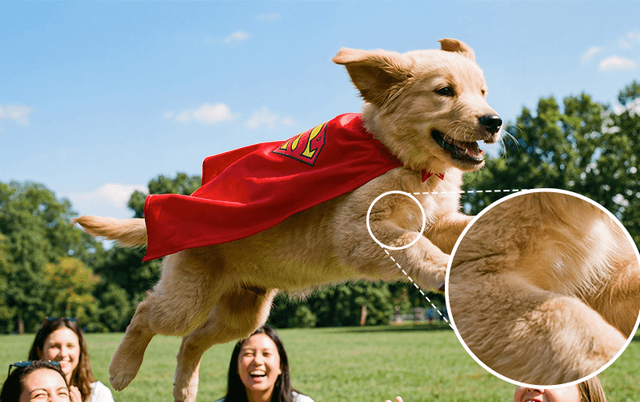
Denoise Photos in Photoshop (Native Tools + Topaz DeNoise AI)
This walkthrough shows two approaches to noise reduction in Photoshop. First, you’ll try the classic native workflow with Reduce Noise, Surface Blur, and Smart Sharpen. Then, you’ll see a faster and cleaner alternative using the Topaz DeNoise AI plugin’s Severe Noise model. Keep each approach on separate layers so you can compare results instantly.
Step-by-step instructions
Prepare your file and protect the original
Open your image and duplicate the Background layer (Layer → Duplicate Layer or Ctrl/Cmd+J).
Name this layer PS Noise Reduction. Zoom to 100% to evaluate noise.
Apply Photoshop’s Reduce Noise filter
Select the PS Noise Reduction layer.
Go to Filter → Noise → Reduce Noise.
Use Strength around 10; check Remove JPEG Artifact if applicable; keep Preserve Details low to avoid bringing noise back; Color Noise Reduction only if you see color speckling.
Click OK, then toggle preview to assess improvement.
Optionally smooth remaining noise with Surface Blur
Duplicate the PS Noise Reduction layer (Ctrl/Cmd+J) and name it Surface Blur.
Go to Filter → Blur → Surface Blur.
Try Radius ≈ 9 and Threshold ≈ 16 as a starting point; adjust to reduce noise without plastic look.
Click OK. If details look too soft, lower layer Opacity.
Recover some detail with Smart Sharpen
With the Surface Blur layer active, go to Filter → Sharpen → Smart Sharpen.
Apply subtle sharpening to avoid emphasizing noise; keep Amount modest and watch edges.
Click OK. Group these native layers (select them → Ctrl/Cmd+G) to compare before/after.
Get cleaner results quickly with Topaz DeNoise AI (plugin)
Duplicate the original Background layer again and drag it to the top; name it Topaz DeNoise AI.
Go to Filter → Topaz Labs → DeNoise AI.
Choose the Severe Noise model for very noisy images; let it auto-analyze, then fine-tune if needed.
Click Apply/OK to return to Photoshop. Compare by toggling this layer vs. the Photoshop group.
Finalize and compare
Use the Layer Visibility (eye icons) to switch between the native stack and the Topaz DeNoise AI result.
If needed, add a black layer mask to either result and paint with white to apply denoising selectively (e.g., keep more detail on eyes).
Save your PSD to preserve layers; export a JPEG for sharing (File → Export → Export As).